Our approach
Future-ready skills. Human skills included.
Technical tools will change. The ability to think, collaborate, speak up and adapt will not. Our sessions develop both at once.
Learning by doing
Children build, test and correct. Theory arrives at the moment it becomes useful.
Mistakes are part of the work
A project that doesn't work is information, not failure. Children learn to diagnose.
Small groups
Every child has time to try, ask questions and be heard.
Explaining to understand
Presenting a project consolidates knowledge and builds speaking confidence.
Real collaboration
Children share roles, negotiate technical choices and move forward together.
Visible progression
Each session builds on the last so progress is concrete.
OUR LEARNING APPROACH
How children learn
Learning starts with curiosity and grows through doing, questioning and explaining.
Explore a new idea, problem or human need.
Observe, ask questions and notice who is affected.
Make a prediction. Try it. See what happens.
Test ideas and compare expectation with reality.
Turn an idea into something that can be tested.
Use technology and engineering to make ideas tangible.
Ask what worked, what didn't — and why.
Learn from results, mistakes, feedback and who is affected.
Share the reasoning, choices and process.
Explain what was created, who it is for and what could be improved.
Engineering starts with more than “Does it work?”
Children also learn to ask: Who is it for? Who could it affect? How could we make it better?
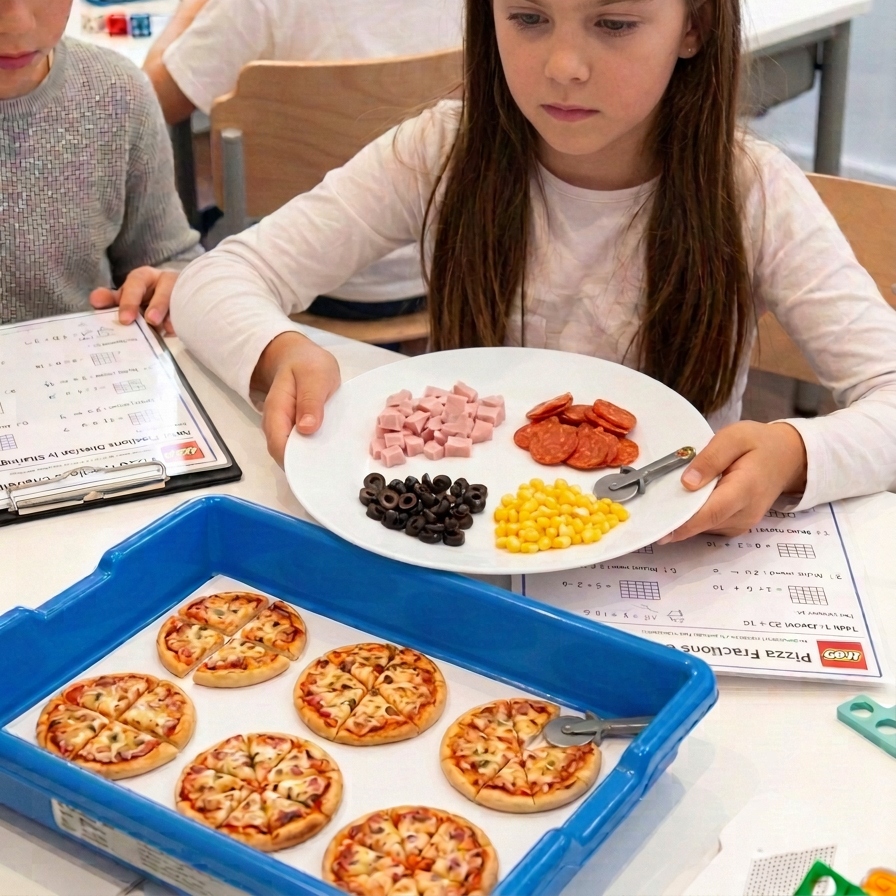 AI-generated image
Human skills
What grows alongside the technical work
These are not a bonus: they are built into the way every session runs.
- Communication
- Teamwork
- Creativity
- Critical thinking
- Confidence
- Leadership
Which program is right for your child?
It takes two minutes: tell us your child's age and interests, and we will show the programs that fit.